
Summary:
You’re weighing your options for propane, and the numbers don’t quite add up yet. Should you rent that tank or buy it outright? What’s the real cost once you factor in installation, permits, and all the other pieces nobody mentions upfront? And why does every company seem to have a different answer?
The truth is, above ground propane tank installation costs vary based on tank size, whether you lease or own, and what your property actually needs. But the bigger issue is understanding what you’re signing up for long-term, because that rental agreement or purchase decision affects more than just your upfront costs. Here’s what actually goes into the price and what matters most for Suffolk County homeowners.
Above Ground Propane Tank Installation Cost Factors
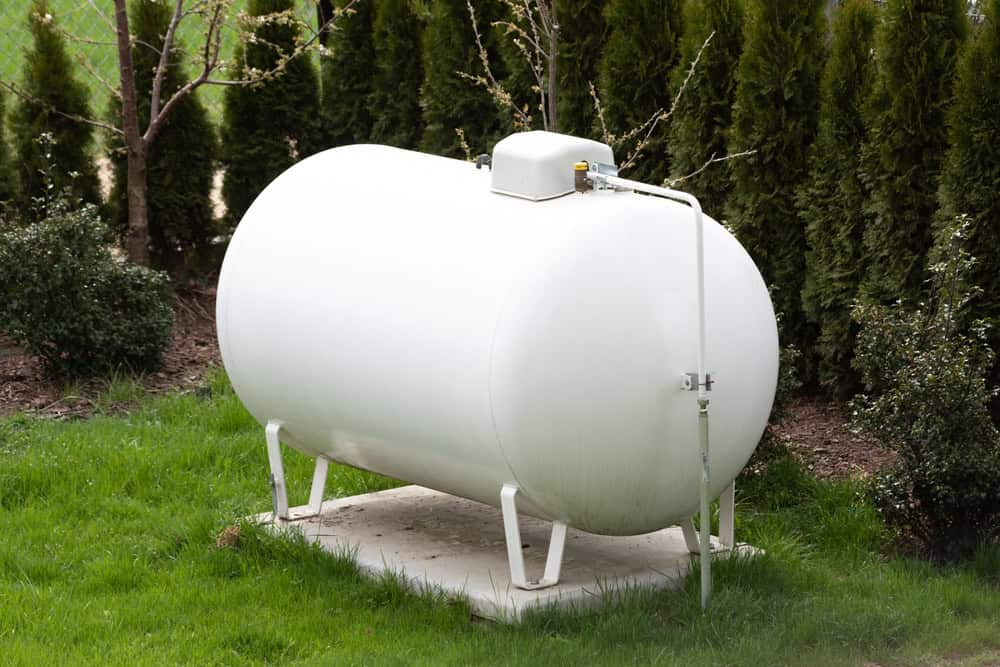
The baseline cost for above ground propane tank installation in Suffolk County typically runs between $1,500 and $2,000 for a standard 500-gallon tank. That’s the setup most homes between 2,500 and 4,500 square feet need if you’re heating with propane.
But that number only tells part of the story. Your actual cost depends on whether you’re buying the tank or leasing it, what your property requires for safe placement, and whether you’re starting from scratch or replacing an existing system. Tank size matters too, with 500-gallon units hitting the sweet spot for most residential applications while larger homes might need 1,000-gallon capacity.
The installation itself includes more than just dropping a tank in your yard. You’re paying for the tank placement on a proper foundation, gas line connections to your home, safety equipment installation, and compliance with Suffolk County permits and NFPA codes. Some of those costs are one-time expenses. Others, like annual rental fees, keep showing up on your bill for as long as you use that tank.

Propane Tank Purchase and Installation
Buying your propane tank outright means a bigger upfront investment but cleaner long-term economics. A 500-gallon above ground tank typically costs between $1,200 and $1,800 for the tank itself, before you factor in installation labor.
Installation adds another $250 to $1,000 depending on your property’s specific requirements. That covers the concrete pad or foundation your tank sits on, the gas line running from the tank to your house, all the connections and regulators, and the professional labor to make sure everything meets code. Suffolk County requires permits for propane installations, usually running $25 to $50, and we handle that paperwork as part of the process.
When you own the tank, you’re responsible for maintenance and the required recertification every 12 years after manufacture, then every five years after that. But you’re also free to shop around for propane from any supplier, and that flexibility typically saves money over time. Suffolk County residents report finding propane price differences of up to $2.00 per gallon between suppliers, and those savings add up fast when you’re filling a 400-gallon tank (remember, tanks only fill to 80 percent capacity for safety).
The other advantage is control. Your tank becomes a permanent asset on your property, potentially adding value when you sell. You’re not locked into any supplier’s pricing or service terms, and you can negotiate better rates when you’re not trapped in a rental agreement. For homeowners planning to stay in their property long-term, the math usually favors ownership once you pass the 10 to 17 year break-even point.
Tank ownership works best if you have the budget for the upfront cost and you’re comfortable managing the maintenance responsibility. It’s a straightforward transaction: you pay for the equipment, you own it, and you control who fills it. No annual fees, no surprise charges, no restrictions on switching suppliers if you find a better deal.
Propane Tank Ownership Law in New York
New York passed a propane container law in December 2022 that changed the rules around tank ownership and supplier access. The law matters because it addresses one of the biggest frustrations propane customers face: being locked into a single supplier because they don’t own their tank.
Here’s how it works. If you lease your tank from a propane company, they own the equipment and you’re typically required to buy all your propane from them. That’s standard across the industry. But the 2022 law created an exception for emergency situations. During declared emergencies or severe weather events, if your regular supplier can’t deliver within 24 hours and you’re running low, you can now legally have another supplier fill that leased tank.
The law also requires propane companies to give you reasonable notice before implementing or changing tank rental fees. That came after documented cases of companies adding surprise annual fees without warning, sometimes charging customers $50 to $96 per year for tanks they’d been using for free under previous arrangements.
What the law doesn’t do is give you unlimited supplier freedom with a leased tank. Outside of emergencies, you’re still bound to your rental agreement and the supplier who owns your equipment. If you want true flexibility to shop around and switch suppliers whenever you find better pricing, you need to own your tank. That’s the fundamental trade-off: lower upfront costs with a rental, but long-term restrictions on where you buy your propane.
New York’s container law also confirmed that customers who own their tanks have the right to purchase propane from any supplier, which sounds obvious but wasn’t always clearly established in state law. If you own your equipment, no company can prevent you from buying fuel from their competitor.
For Suffolk County homeowners, this means your decision about renting versus buying affects more than just your installation costs. It determines whether you’ll have supplier flexibility or be locked into one company’s pricing for the life of that rental agreement. And given that propane prices in Suffolk County currently run around $3.47 per gallon but can vary significantly between suppliers, that flexibility has real financial value.
Propane Tank Rental Prices and Long-Term Costs
Leasing a propane tank means lower upfront costs but ongoing annual fees that accumulate over time. Most Suffolk County propane companies charge between $100 and $180 per year for tank rental, though some waive the fee if you meet minimum usage requirements.
The appeal is obvious: you avoid the $1,500 to $2,000 upfront cost of buying and installing a tank. The propane company handles maintenance, repairs, and the required recertification. If something goes wrong with the tank itself, they replace it at no additional charge. For homeowners who can’t budget for the purchase or who aren’t planning to stay in the property long-term, rental can make sense.
But the economics shift when you look at the full picture. At $150 per year, you’ll pay $1,500 in rental fees over 10 years, which equals what you would have spent buying the tank outright. And you’re still paying for propane on top of that rental fee, often at higher per-gallon rates because you can’t shop around. The supplier who owns your tank is the only one who can fill it, and they know you’re locked in.

Hidden Costs of Tank Rental Agreements
The annual rental fee is just the start. What catches people off guard are the restrictions and additional costs that come with leased tanks.
First, you’re locked into buying propane from one supplier. That might not seem like a big deal until you realize propane prices can vary by $1.00 to $2.00 per gallon between companies in the same area. If you’re using 400 gallons per year for heating and hot water, that price difference costs you $400 to $800 annually. Over 10 years, you’re looking at $4,000 to $8,000 in higher fuel costs on top of your rental fees.
Second, many rental agreements include minimum usage requirements. If you don’t buy enough propane in a calendar year, you get charged the full rental fee. If you do meet the minimum, the fee might be waived, but you’re still restricted to that one supplier’s pricing. It’s a system designed to keep you buying from them regardless of whether their rates are competitive.
Third, if you want to switch suppliers, you’ll face termination fees and tank removal charges. Some companies charge $100 to $250 to close your account, plus labor costs to disconnect and remove their tank from your property. They may also charge a “restocking fee” for any propane left in the tank when they pick it up, sometimes $1.00 per gallon or more. That means switching suppliers can cost you several hundred dollars even before you pay for a new tank installation.
Fourth, you don’t build any equity. Every dollar you pay in rental fees is gone. After 15 or 20 years of payments, you still don’t own anything, and if you move or switch to a different heating system, you walk away empty-handed. Compare that to ownership, where your tank becomes a permanent asset that can add value to your property.
The rental model works for propane companies because it creates a captive customer base. Once they install their tank on your property, switching becomes expensive and complicated enough that most people just stay put, even when they’re paying above-market rates for propane. That’s not necessarily a problem if the company offers competitive pricing and good service. But if they don’t, you’re stuck.
Cost to Have Propane Tank Installed Professionally
Professional installation is required for propane tanks in Suffolk County, both for safety and legal compliance. This isn’t a DIY project. The work involves gas line connections, pressure testing, safety equipment installation, and adherence to NFPA 54 and NFPA 58 codes.
For above ground installations, labor typically runs $250 to $1,000 depending on the complexity of your setup. That includes pouring a concrete pad or installing another non-flammable base for the tank to sit on, running the gas line from the tank to your house, installing all necessary regulators and safety valves, connecting to your home’s existing propane appliances, and conducting the required leak tests and pressure checks.
Your property’s layout affects the cost. If your tank needs to sit 50 feet from your house because that’s the only location that meets the 10-foot minimum distance from buildings and property lines, you’re paying for 50 feet of gas line trenching and piping. If you can place it 15 feet from the house, the job costs less. The same goes for obstacles like trees, existing landscaping, or difficult terrain that complicates the installation.
Suffolk County permits add $25 to $50 to your total cost. We handle the permit application, which requires a site plan showing the tank location, setback distances from structures and property lines, tank size and specifications, and installer certification. The permit ensures your installation meets local fire codes and safety standards, and it creates a record for first responders who need to know where propane is stored on your property.
The installation process typically takes one day once all the permits are in place and the equipment is on site. We assess your property to determine the best tank location considering safety clearances, delivery truck access, and aesthetic preferences. We prepare the foundation, set the tank, run and test all gas lines, install safety equipment, and conduct a final inspection to ensure everything meets code.
Choosing a licensed, experienced installer matters more than saving a few hundred dollars on labor. Poor installation can fail inspection, create safety hazards, or void equipment warranties. In Suffolk County’s coastal environment, proper installation also means accounting for salt air corrosion, temperature fluctuations, and soil conditions that affect long-term system performance. We understand these factors and install systems that hold up over time.
Making the Right Choice for Your Property
Above ground propane tank installation costs between $1,500 and $2,000 for most Suffolk County homes, but your long-term expenses depend on whether you rent or buy. Ownership means higher upfront costs and maintenance responsibility, but it gives you supplier freedom and eliminates ongoing rental fees. Leasing costs less initially but locks you into one company’s pricing and creates annual fees that accumulate over time.
The decision comes down to your budget, how long you plan to stay in the property, and whether you value the flexibility to shop around for propane. Both options work, but they serve different situations. What matters most is understanding the full cost picture before you commit, including permits, installation labor, and the long-term economics of rental versus purchase.
If you’re ready to move forward with propane installation in Suffolk County or you still have questions about which option fits your situation, we offer free consultations to walk through your specific needs and property requirements.