Summary:
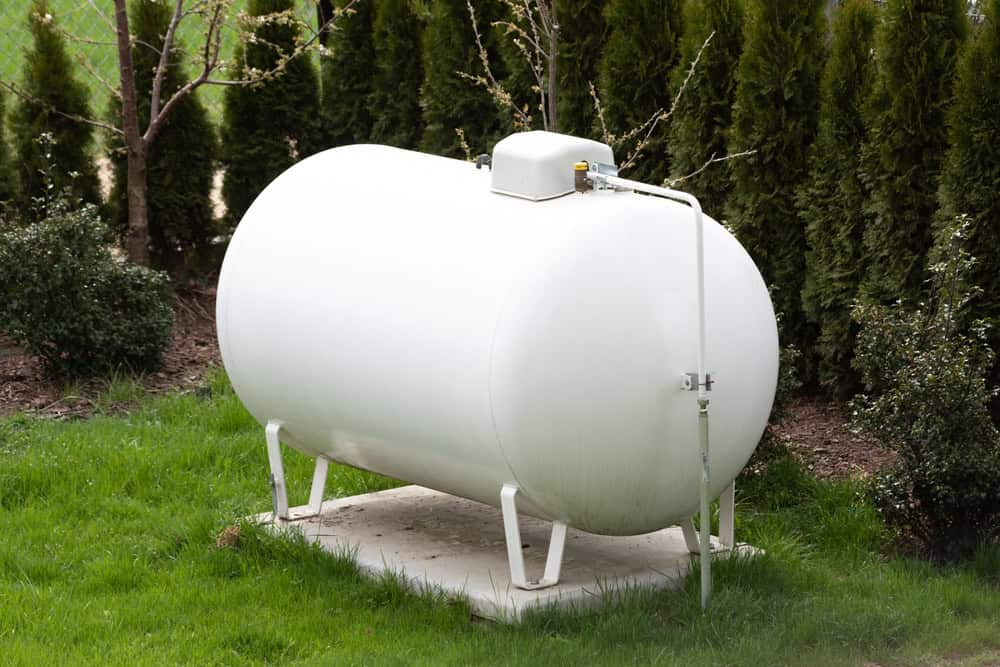
You’re looking at that propane tank and thinking about running the gas line yourself. Maybe you’ve tackled plumbing before, or you’re handy with tools, and how hard could it really be?
Here’s the thing: propane line installation sits in a different category than most home projects. We’re talking about a fuel that can explode if something goes wrong. We’re talking about code requirements that exist because people have died when installations failed. We’re talking about permits, inspections, specialized tools, and knowledge that takes years to develop.
This isn’t about questioning your abilities. It’s about understanding what professional propane installation actually involves and why Suffolk County has specific requirements for this work.
Why Professional Propane Gas Line Installation Matters
The difference between professional and DIY propane work comes down to three things: safety, legality, and long-term performance. Licensed installers bring specialized knowledge that goes far beyond connecting pipes.
They understand gas pressure calculations, proper pipe sizing for your specific appliances, and how to test systems for leaks before gas ever flows through the lines. They know which materials work underground versus above ground, and they have the tools to pressure-test installations before making them live.
In Suffolk County, propane installations must comply with NFPA 54 and NFPA 58 codes. These aren’t suggestions. They’re legal requirements that protect you, your family, and your neighbors from the very real dangers of improperly installed gas systems.

Installing Propane Gas Line from Tank to House
Running a propane line from your tank to your house involves multiple steps that each carry safety implications. The process starts with determining the correct route, calculating the distance, and sizing pipes based on your appliances’ BTU requirements.
Professional installers map out the installation to meet Suffolk County’s setback requirements. Your tank needs to sit at least 10 feet from your house, 10 feet from property lines, and 10 feet from any ignition sources. The gas line connecting that tank to your home must be buried at the proper depth (typically 12 to 18 inches depending on traffic patterns), installed with approved materials, and protected from corrosion.
Underground installations require copper tubing with protective coating or specialized polyethylene piping designed for propane. The wrong material corrodes. Improper depth leads to crushed or crimped lines. Either mistake creates leak points that are nearly impossible to detect until you have a serious problem.
Then there’s the question of fittings and connections. Each joint represents a potential leak point. Professional installers know how to create sealed connections that will hold under pressure for decades. They use thread sealant rated for propane (not just any pipe dope), they torque fittings to exact specifications, and they pressure-test the entire system before connecting to your tank.
Suffolk County requires permits for propane installations, and those permits require inspections. The inspector checks your work against code requirements. They verify proper materials, correct burial depth, adequate pressure testing, and compliance with setback rules. DIY installations that skip permits or fail inspections must be completely redone by licensed professionals.
The installation also needs to account for expansion and contraction as temperatures change, proper support for above-ground sections, and protection from physical damage in high-traffic areas. These details matter because propane systems operate under pressure. A fitting that seems fine during installation can fail months later if it wasn’t done right.
What Makes Professional Installation Different
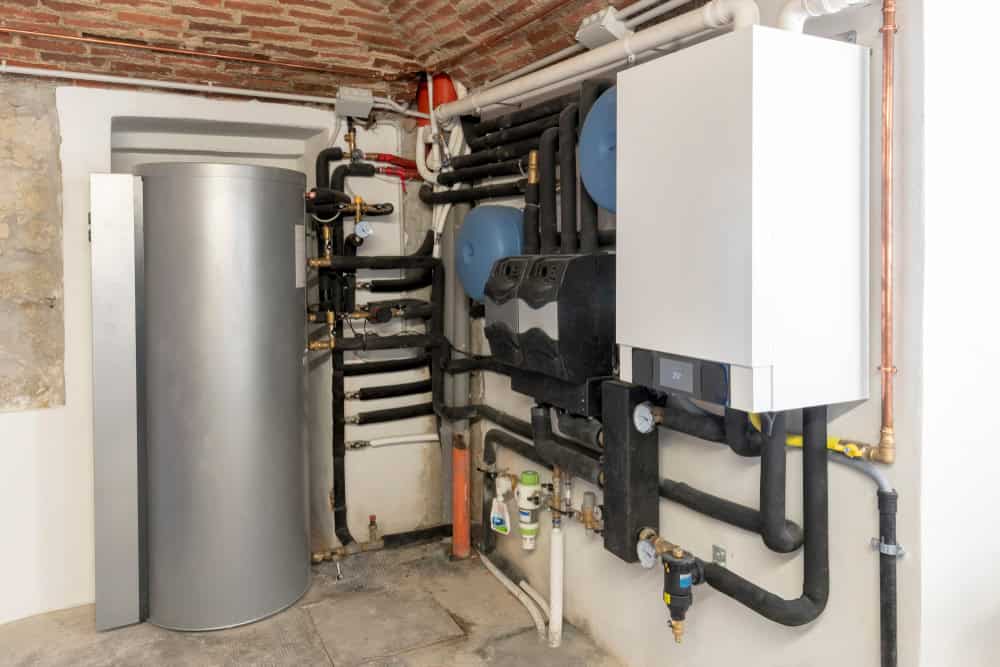
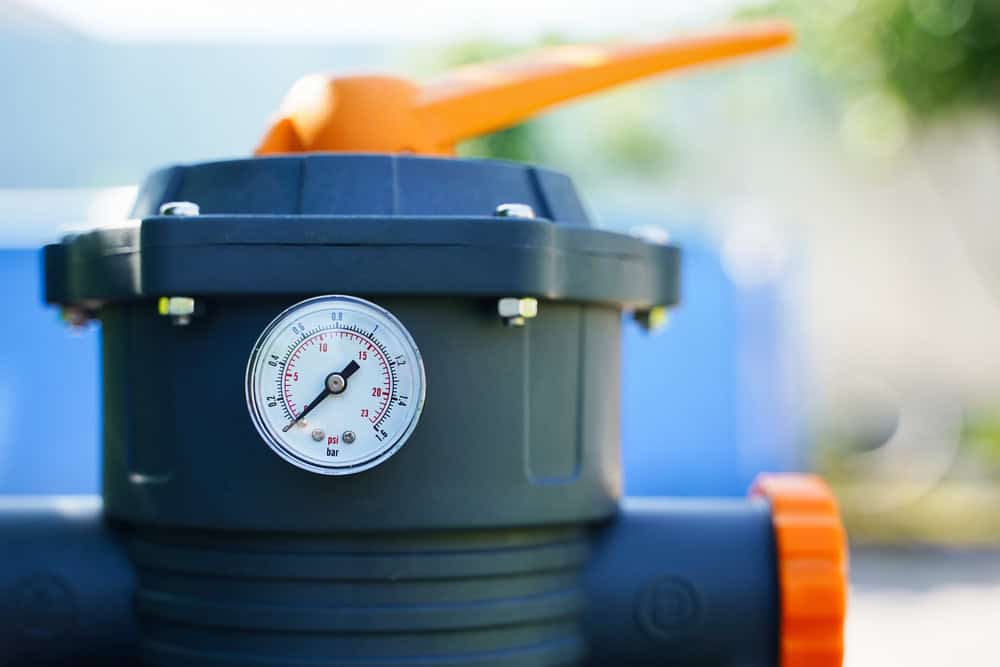
Licensed propane installers bring tools you don’t have and probably shouldn’t buy for a one-time project. Manometers for precise pressure testing. Electronic leak detectors sensitive enough to find problems before they become dangerous. Pipe threading equipment that creates clean, proper threads. Specialized wrenches and cutting tools designed specifically for gas work.
But the tools are just part of it. The real difference is knowledge that comes from training and experience. Professional installers understand how propane behaves under different conditions. They know that propane is heavier than air, which means leaks don’t dissipate like natural gas. They understand how temperature affects pressure, and they size regulators accordingly.
They’ve seen what happens when installations fail. They know which shortcuts lead to problems and which details actually matter for safety. That experience prevents mistakes that homeowners don’t even know to avoid.
Suffolk County’s licensing requirements exist because propane work requires specific expertise. Licensed installers have demonstrated their knowledge through testing and continuing education. They carry insurance that protects you if something goes wrong during installation. They pull permits and coordinate inspections because they know the process and the local requirements.
When we install a propane line, the work includes proper documentation, pressure testing records, and compliance verification. You get a system that’s legal, safe, and warrantied. If your appliance manufacturer requires professional installation to honor the warranty (most do), you have the documentation to prove it.
Professional installation also means someone takes responsibility for the entire system. If you notice a gas smell six months after installation, you have a company to call that knows your system and stands behind their work. With DIY installation, you’re on your own to diagnose and fix problems that could be life-threatening.
The Real Risks of DIY Propane Installation
Let’s talk about what actually happens when propane installations go wrong. We’re not trying to scare you, but you need to understand the stakes.
Improperly installed gas lines leak. Sometimes immediately, sometimes months or years later when a poorly made connection finally fails. Propane leaks create explosion risks because the gas is heavier than air and pools in low areas. It’s also highly flammable, and it doesn’t take much to ignite it.
Carbon monoxide poisoning is another risk. When appliances don’t get proper gas flow due to undersized pipes or incorrect pressure, they can produce carbon monoxide. This odorless, colorless gas kills people every year, and many cases trace back to improper gas line installations.

Suffolk County Code Requirements and Permits
Suffolk County doesn’t allow just anyone to install propane systems. The regulations exist because the county has seen what happens when unqualified people work with gas.
Propane permits in Suffolk County must be filed by a licensed gas company. For residential installations, permits are required when tanks are 420 pounds (100 gallons) or larger. All commercial installations require permits regardless of tank size. The permit process includes plan review, installation inspection, and final approval before the system can be used.
These aren’t bureaucratic hoops. Each inspection point catches problems before they become dangerous. Inspectors verify that your installation uses approved materials, meets setback requirements, includes proper shutoff valves, and passes pressure testing. They check that underground lines are buried at the correct depth and that connections are properly sealed.
If you attempt DIY installation and skip the permit process, you’re creating legal problems that extend beyond safety. Unpermitted work fails inspection when discovered. Your homeowner’s insurance can deny claims related to unpermitted gas work. When you sell your home, title searches may reveal the unpermitted work, creating closing problems or requiring expensive corrections.
Suffolk County also has specific requirements inherited from New York State codes. Installations must follow NFPA 54 (National Fuel Gas Code) and NFPA 58 (Liquefied Petroleum Gas Code). These codes specify everything from pipe materials and sizing to installation methods and testing procedures. They’re updated regularly to incorporate new safety knowledge, which means professionals stay current while DIYers work from outdated information.
The permit costs are minimal compared to installation expenses. Suffolk County propane permits typically run $25 to $50. That’s not the barrier. The barrier is that permits require licensed installers because the county recognizes that propane work demands professional expertise.
Hidden Costs of DIY Propane Line Installation
The temptation to DIY propane installation usually comes down to cost. Professional installation runs $500 to $2,000 for typical residential work, depending on distance, complexity, and appliance requirements. That seems like a lot until you add up what DIY actually costs.
Start with tools. Proper pipe threading equipment, a quality pipe cutter, gas-rated wrenches, a manometer for pressure testing, and a leak detector add up quickly. You might spend $500 or more on tools you’ll use once. Then there’s materials: approved pipe, fittings, sealant, supports, and protective coatings for underground sections.
But the real costs come when things go wrong. A gas leak that damages your home or injures someone creates liability that insurance won’t cover if the work was unpermitted. Appliance warranties that void due to DIY installation can cost thousands when that new water heater or furnace needs repairs.
Failed inspections mean paying a professional to redo everything. The inspector doesn’t just fail one connection; they fail the entire installation because they can’t trust any of it. Now you’re paying professional rates plus the cost of materials you’ve already bought and time you’ve already invested.
There’s also the opportunity cost. Professional installers complete in hours what takes DIYers days or weeks. They have the knowledge to avoid problems rather than learning through trial and error with a dangerous fuel. They carry insurance that protects you during installation.
Suffolk County homeowners who choose us for propane installation get transparent pricing, proper permits handled from start to finish, and installations that pass inspection the first time. The work includes pressure testing, leak detection, and documentation that protects your investment and your family.
Making the Right Choice for Your Propane Installation
Professional propane line installation isn’t about whether you’re capable of doing physical work. It’s about specialized knowledge, proper tools, legal requirements, and safety systems that protect your family.
Suffolk County’s codes exist because propane is dangerous when handled incorrectly. Licensed installers bring years of training, proper insurance, and accountability that DIY work can’t match. They handle permits, pass inspections, and create systems that work safely for decades.
The cost difference between professional and DIY work shrinks when you factor in tools, materials, permits, and the risk of having to redo failed work. The safety difference is immeasurable.
If you’re ready to move forward with propane installation that’s done right, we’ve been serving Suffolk County since 2010 with professional installations that meet all code requirements and protect what matters most.