Summary:
Winter in Suffolk County doesn’t wait for anyone. Your propane tank needs to stay filled, your heat needs to stay on, and you need a delivery process that actually works for your schedule. Contactless propane delivery has changed how homeowners and businesses receive fuel—making it safer, faster, and a whole lot less complicated. If you’re wondering what happens when the truck pulls up, how safety gets handled, or whether you even need to be home, you’re asking the right questions. Here’s exactly what contactless propane delivery looks like this season and why it might be the most sensible option you didn’t know you needed.
How Contactless Propane Delivery Works
Contactless delivery isn’t about avoiding people for the sake of it. It’s about creating a delivery experience that respects your time, prioritizes safety, and removes unnecessary steps from the process.
When you schedule a contactless a href=”https://libertygasservice.com/propane-delivery/”>propane delivery with us, the process starts before the truck even leaves. You get notified about your delivery window—usually through text, email, or app notification. Our driver arrives, fills your tank following strict safety protocols, and completes the delivery without requiring you to be present. Payment happens digitally, so there’s no fumbling for cash or waiting around to sign paperwork. Once the delivery is done, you receive confirmation with details about the fill amount and any notes from the driver.
The whole thing is designed to be smooth. You don’t need to rearrange your day or worry about missing the delivery window. Your propane shows up, your tank gets filled, and you move on with your life.
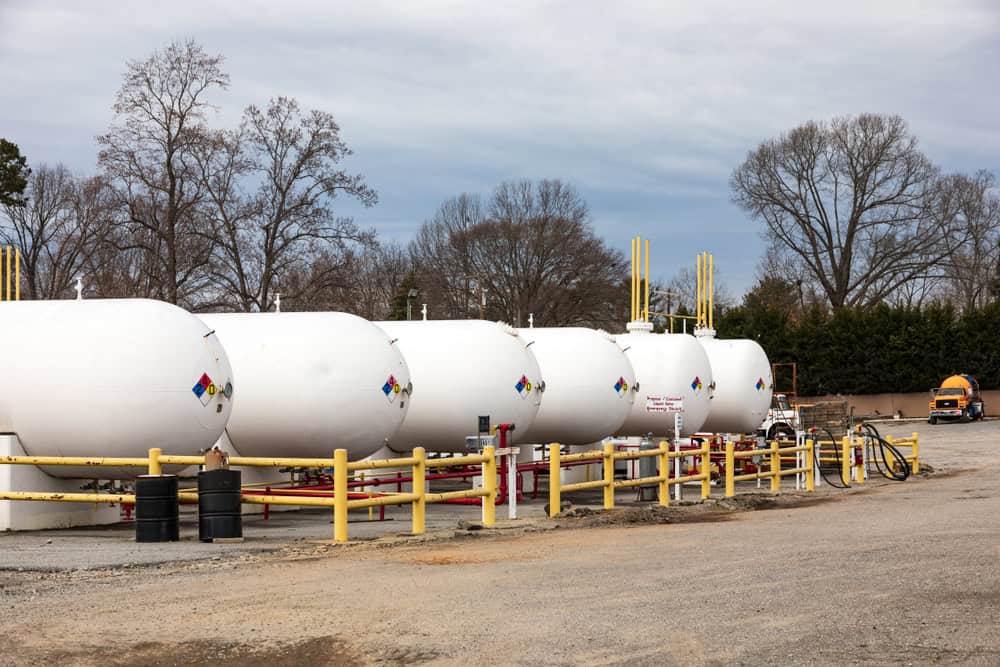
What happens during a contactless propane delivery
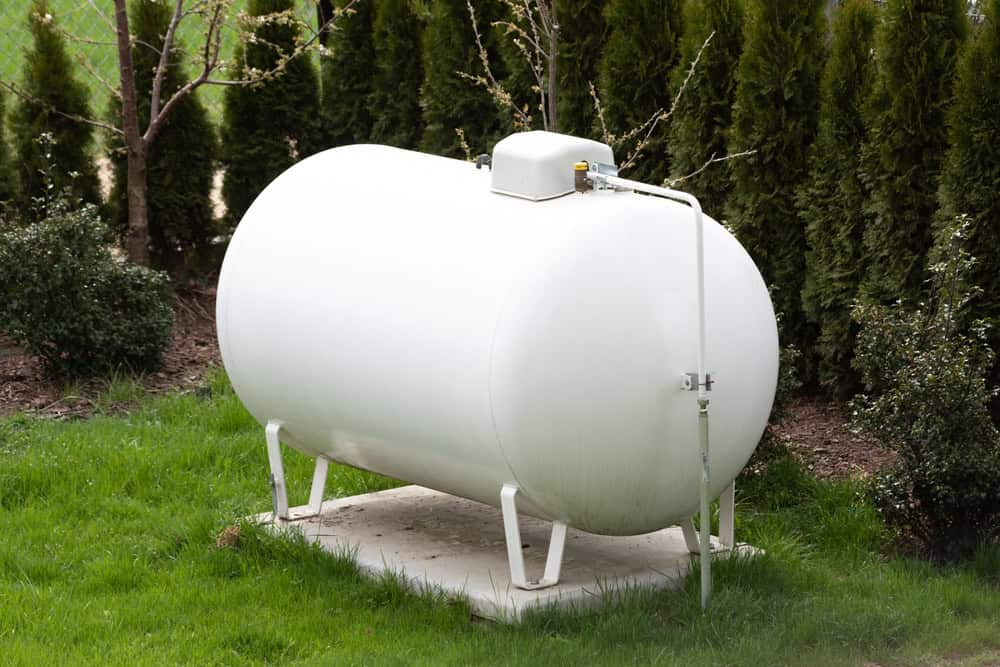
Our driver pulls up to your property and locates your propane tank. They perform a quick visual inspection to make sure everything looks safe—checking for obstructions, damage, or anything that might interfere with a safe fill.
Before connecting the hose, the driver follows safety protocols that include grounding the tank to prevent static electricity buildup and ensuring all equipment is functioning properly. The vehicle engine gets turned off during the fill. No shortcuts, no exceptions.
While the tank fills, the driver monitors the process. Propane tanks are filled to a maximum of 80% capacity for safety reasons—this leaves room for expansion as temperatures change. Once the fill is complete, the driver disconnects the equipment, secures everything, and performs a final check.
You’re not required to be home for any of this. The driver leaves a delivery receipt—either at your door, in your mailbox, or sent digitally—showing the gallons delivered, the date, and the tank level. If there’s anything you need to know, like a recommendation for maintenance or a note about access, that gets included too.
The beauty of contactless delivery is that it removes the waiting game. You don’t need to hover by the window or cancel plans to make sure someone’s home. The delivery happens, you get notified, and your heat keeps running.
Safety protocols for contactless propane delivery
Safety isn’t negotiable when it comes to propane delivery. Our drivers who handle contactless deliveries go through annual recertification in hazmat operations, leak detection, and emergency response. This isn’t a one-time training—it’s ongoing, because propane delivery demands precision.
Every delivery follows a strict set of protocols. The driver shuts off the vehicle engine before starting the fill. The tank gets grounded to prevent any static discharge. Connections are checked and tested to avoid leaks. If anything looks off—a damaged valve, an obstruction near the tank, or weather conditions that create risk—the driver addresses it before proceeding or reschedules the delivery.
Propane tanks are never filled beyond 80% capacity. That’s a safety standard designed to allow for liquid expansion. Overfilling creates pressure issues, and our professional drivers know exactly where that line is.
After the fill, the driver performs a leak check. This might involve using detection equipment or applying a soapy solution to connections to watch for bubbles. If there’s any sign of a leak, the delivery doesn’t get marked complete until the issue is resolved.
Contactless doesn’t mean careless. The same safety standards apply whether you’re standing there watching or going about your day somewhere else. In fact, many of our drivers appreciate contactless delivery because it allows them to focus entirely on the technical work without distractions.
For homeowners, the takeaway is simple: your delivery is being handled by someone who’s trained, certified, and following protocols that have been refined over decades. You’re not sacrificing safety for convenience—you’re getting both.
Preparing Your Property for Contactless Delivery
A smooth contactless delivery starts with a property that’s ready for it. Our drivers need clear access to your propane tank, and a few simple steps on your end make the whole process faster and safer.
First, make sure the path to your tank is clear. That means no snow piles blocking the way in winter, no overgrown bushes in warmer months, and no vehicles parked in front of the tank. Our drivers need to maneuver equipment, and obstacles slow things down or create safety hazards.
If you have a dog, secure them inside or in a fenced area away from the delivery zone. Even friendly dogs can complicate a delivery, and our drivers have a responsibility to stay focused on the task.
Mark your tank location if it’s not immediately visible. A small flag or marker helps, especially if your tank is tucked behind landscaping or on a larger property. The faster the driver can locate the tank, the faster your delivery gets completed.

Winter preparation for propane delivery
Winter delivery in Suffolk County comes with its own set of challenges. Snow, ice, and freezing temperatures can all impact how smoothly your delivery goes—but most issues are preventable with a little preparation.
Keep the area around your propane tank clear of snow and ice. After a storm, shovel a path to the tank and clear snow from around the tank itself. Ice buildup on the ground creates slip hazards for our drivers and can delay or cancel your delivery if conditions are too dangerous.
Check that your tank’s regulator and valves aren’t covered in ice or snow. Our drivers need to access these components, and if they’re buried, it adds time and complication to the delivery. A quick brush-off after a snowstorm takes two minutes and prevents headaches later.
Make sure your driveway is plowed or cleared enough for the delivery truck to access your property. Propane trucks are large and heavy—they can’t navigate through deep snow or up icy inclines. If your driveway isn’t accessible, the delivery can’t happen, and you’ll need to reschedule.
If you’re on automatic delivery, we use weather data and your usage patterns to predict when you’ll need a fill. But extreme cold can increase your propane consumption faster than expected. Keep an eye on your tank gauge, especially during prolonged cold snaps. If you’re dropping below 30%, it’s worth reaching out to request an earlier delivery.
Propane doesn’t freeze, but extreme cold can affect pressure and flow. Keeping your tank at least 30% full during winter months ensures consistent pressure and reduces the risk of running out. If your tank does run empty, you’ll need a professional leak check and system restart before you can use your propane appliances again—so it’s worth avoiding that scenario altogether.
Winter in Suffolk County is unpredictable. Roads get icy, storms roll in without much warning, and delivery schedules can shift. But if your property is prepped and your tank isn’t sitting at empty, you’re in good shape.
Scheduling and communication for contactless delivery
One of the biggest advantages of contactless delivery is the flexibility it offers. You don’t need to be home, which means you’re not tied to a narrow delivery window or forced to take time off work.
We offer automatic delivery scheduling. This means we track your usage, factor in weather patterns, and schedule deliveries before you run low. You’re not responsible for monitoring your tank gauge or remembering to request a refill—it just happens.
If you prefer more control, will-call delivery lets you request fills when you need them. You check your gauge, place an order online, and schedule a delivery within a typical 7-10 day window. We also offer expedited delivery for an additional fee if you need fuel faster.
Communication is key to making contactless delivery work. When your delivery is scheduled, you’ll receive a notification—usually 24 to 48 hours in advance. On the day of delivery, you might get a text letting you know the driver is on the way. After the delivery is complete, you receive confirmation with details about the fill.
If you have specific instructions—like “tank is behind the garage” or “gate code is 1234″—you can add delivery notes to your account. Our drivers see these notes before they arrive, which eliminates confusion and speeds up the process.
Contactless delivery also means contactless payment. You set up a payment method on file—credit card, ACH transfer, or another digital option—and charges process automatically after each delivery. No cash, no checks, no waiting around to settle up. You get an invoice digitally, and you’re done.
The whole system is built around reducing friction. You’re not chasing down delivery trucks or playing phone tag with the office. You set your preferences, the delivery happens, and you stay informed every step of the way.
What Contactless Propane Delivery Means for Suffolk County Homeowners
Contactless propane delivery isn’t just a pandemic-era workaround that stuck around. It’s a better way to handle fuel delivery—period. You get safety, convenience, and a process that respects your time without cutting corners on the things that matter.
For Suffolk County homeowners and businesses, this delivery method takes the stress out of staying fueled through winter. You’re not waiting around, you’re not worrying about whether the driver will show up, and you’re not sacrificing safety for speed. The whole system is designed to work for you.
If you’re looking for reliable propane delivery that actually makes sense for how you live and work, we offer contactless delivery throughout Suffolk County. Professional drivers, clear communication, and a process that keeps your home warm without the hassle.