
Summary:
You’re comparing propane companies. Maybe you just moved to Suffolk County, or maybe your current provider raised prices again without explanation. Either way, you’re not looking to get locked into another contract that sounds good until the bills start arriving.
Most propane companies make it easy to sign up and difficult to leave. The price they quote today might not be the price you pay in six months. The “free” tank installation could come with a lease that costs you more over time. And if you ever want to switch providers, those termination fees can run into the thousands.
This isn’t about finding the cheapest option. It’s about finding a propane supplier in Suffolk County that gives you straight answers, delivers on time, and doesn’t bury the details in fine print. Let’s start with what you actually own.
Do I Own or Lease the Propane Tank?
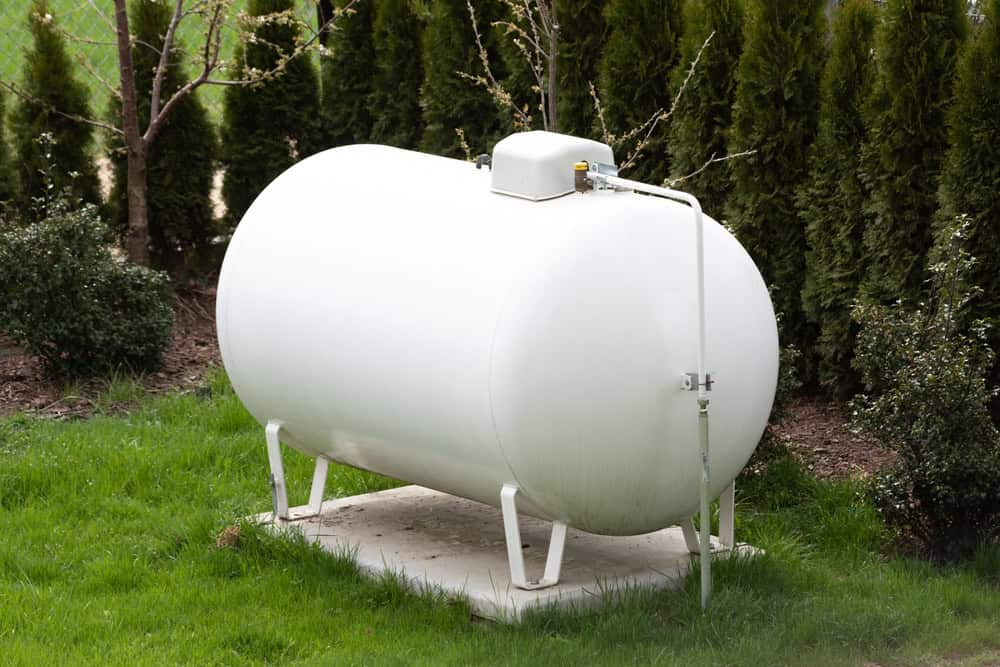
This question matters more than you think. Tank ownership determines who you can buy propane from, how much you’ll pay long-term, and what happens if you want to switch providers.
If you lease the tank, you’re locked in. Only the company that owns the tank can fill it. You might get a lower upfront cost, but you’ll pay monthly or annual rental fees for as long as you use their service. And when you want to leave, they’ll charge you to remove it.
If you own the tank, you have options. You can shop around for better pricing, switch providers without excavation fees, and avoid those recurring rental charges. The upfront cost is higher, but most homeowners break even within two years.

What Are the Real Costs of Leasing vs Buying a Propane Tank?
Leasing sounds convenient. The propane company installs the tank, handles maintenance, and you don’t pay anything upfront. But those monthly fees add up fast.
A typical tank lease in Suffolk County runs anywhere from $50 to $150 per year, depending on tank size and the company’s fee structure. Over ten years, that’s $500 to $1,500 just for the privilege of using their equipment. You still don’t own it.
Buying a tank costs more initially. Expect to pay anywhere from $800 to $3,000 depending on size and whether it’s above-ground or underground. Once you own it, you’re done. No recurring fees. No restrictions on who can fill it. If you sell your home, that tank transfers with the property and adds value.
Most companies won’t tell you this upfront: if you lease and decide to switch providers, you’ll pay for tank removal, excavation if it’s underground, and possibly a pump-out fee if there’s fuel left inside. Those costs can easily exceed $1,500. Some companies will let you buy out the lease, but the terms vary widely and aren’t always favorable.
The math is straightforward. If you plan to stay in your home for more than a few years, buying the tank saves money and gives you control. If you’re only using propane for a grill or seasonal heating, leasing might make sense. Either way, you need to know what you’re signing up for before the contract is in front of you.
Ask the propane supplier to break down both options in writing. Get the total cost of ownership over five years and compare it to five years of lease payments plus any potential exit fees. That’s the real cost.
Can I Switch Propane Companies If I'm Leasing a Tank?
Yes, but it’s not simple. Switching propane companies when you lease a tank means ending your current lease, paying removal fees, and having a new company install their tank. You’ll have two tanks on your property for a brief period, or you’ll go without propane during the transition if the timing isn’t coordinated.
Most companies require you to give notice before terminating a lease. That notice period can range from 30 to 90 days depending on your contract. During that time, you’re still paying for the service even if you’ve already lined up a new provider.
Then come the fees. Tank removal fees vary, but expect to pay $200 to $500 for an above-ground tank and significantly more for underground tanks that require excavation. If your tank still has propane in it, some companies charge a pump-out fee to drain it before removal. The best way to avoid that charge is to let your tank run down to 5% or less before you switch.
Some propane companies will cover part or all of these switching costs to win your business. It’s worth asking your new provider if they offer any incentives or reimbursements for termination fees. A few local companies in Suffolk County have programs specifically designed to make switching easier and more affordable.
Timing is everything. You want your old tank removed and your new tank installed on the same day to avoid any gap in service. That means coordinating schedules between two companies, which requires planning. If you rely on propane for heating, you can’t afford to go even a day or two without it, especially during Long Island winters.
Switching is possible, but it requires research, clear communication with both companies, and a willingness to navigate some logistical challenges. If your current provider has poor service, hidden fees, or unresponsive customer support, those challenges are worth it. Just make sure you understand the full cost before you commit to the switch.
What Are the Contract Terms and Cancellation Fees?
Propane contracts aren’t all the same. Some lock you in for a year or more with steep penalties for early termination. Others operate on a month-to-month basis with minimal fees if you decide to leave. You need to know which one you’re signing.
Ask for the contract length upfront. If it’s a fixed-term agreement, find out what happens if you need to cancel early. Termination fees can range from $100 to $300 for simple contracts, but they can climb much higher if you’re locked into a multi-year agreement or if the company includes tank removal and other exit costs.
Read the fine print. Some contracts include automatic renewal clauses that extend your agreement unless you provide written notice within a specific window. Miss that window, and you’re committed for another year. Other contracts include minimum purchase requirements, meaning you’ll pay a penalty if you don’t use a certain number of gallons per year.

What Fees Are Included in the Contract Beyond the Price Per Gallon?
The price per gallon is only part of what you’ll actually pay. Propane companies in Suffolk County and across Long Island charge a variety of fees that can significantly increase your total cost. Some are reasonable. Others are just ways to pad the bill.
Delivery fees are common. Some companies charge a flat fee per delivery, while others base it on the number of gallons delivered or the distance to your property. Off-route delivery fees apply if you need propane outside of the company’s normal delivery schedule. Emergency delivery fees can be even higher, especially during peak winter months when demand is high.
Hazmat fees cover the cost of transporting a hazardous material, which propane is classified as. Not every company charges this, but it’s becoming more common. If they do, ask how much and whether it’s per delivery or per gallon.
Tank rental fees we’ve already covered, but there are also maintenance fees. Some companies charge separately for annual inspections, safety checks, or equipment servicing. Others include it in the base price. You need to know which applies to your contract.
Administrative fees are another line item to watch for. These cover things like billing, account management, and customer service. They’re often small, but they add up over time, especially if you’re billed monthly.
Low-usage surcharges penalize customers who don’t use enough propane. If you only use propane for a grill or a fireplace and don’t meet the company’s minimum annual usage, they’ll charge you a fee to make up the difference. This is more common with larger providers who prefer high-volume customers.
Ask for a complete breakdown of all fees before you sign. If the company can’t or won’t provide one, that’s a red flag. Transparent pricing means they’re willing to put everything in writing so you know exactly what you’re paying for when comparing propane providers.
Are There Penalties for Switching Propane Companies Mid-Contract?
Yes, and they can be expensive. If you’re in a fixed-term contract and decide to leave before it expires, expect to pay an early termination fee. The amount varies widely depending on the company and the length of time remaining on your contract.
National propane companies tend to have higher termination fees than local providers. Some charge a flat fee, while others calculate it based on the number of months left in your agreement or the gallons you were expected to purchase. In some cases, the fee can run into the hundreds of dollars.
Termination fees are just the beginning. If you’re leasing a tank, you’ll also pay for removal and possibly excavation if it’s underground. If there’s propane left in the tank, you might pay a pump-out fee. And if the company installed any equipment or ran gas lines as part of your setup, they may charge you for that work if you leave early.
Some contracts include a clause that waives termination fees if you’re moving out of the service area or selling your home. Others don’t. You need to know what your contract says before you assume you can leave without penalty.
Many local propane companies in Suffolk County will help cover switching costs if you’re coming from a provider with high fees or poor service. It’s worth asking your new provider if they offer any incentives, credits, or reimbursements to offset the cost of leaving your current company.
Read your contract carefully before you sign. If the termination fees are excessive or the terms are unclear, negotiate. A reputable propane company will be willing to discuss the details and make adjustments if it means earning your business. If they won’t budge or refuse to explain the fees, walk away. There are plenty of other options in Suffolk County.
Choosing the Right Propane Company in Suffolk County Starts with the Right Questions
The propane company you choose affects more than just your heating bill. It determines how much control you have over your energy costs, how easy it is to get service when you need it, and whether you’ll face surprise fees or contract penalties down the road.
Asking these questions upfront gives you leverage. You’ll know which companies are transparent about pricing, which ones lock you into restrictive contracts, and which ones actually deliver the reliable service they promise. You’ll also know what you’re paying for beyond the price per gallon and whether the terms make sense for your situation.
If you’re in Suffolk County, Long Island, or the Hamptons and you’re looking for a propane company that answers these questions honestly, we’ve been serving the area since 2010 with straightforward pricing, timely delivery, and a commitment to keeping customers informed every step of the way.