Summary:
You’re trying to figure out what size propane tank you actually need. Maybe you’re building in Suffolk County, converting from oil, or just tired of running low every winter. The numbers are confusing—100 gallons, 500 gallons, water capacity versus actual capacity—and you need straight answers before you commit to an installation that’ll serve your home for the next 20 years.
Here’s what matters: the right tank size keeps you comfortable without frequent refills, fits your property and budget, and handles Suffolk County winters without leaving you in the cold. Too small means you’re calling for emergency deliveries in January. Too large means you’re paying for capacity you’ll never use.
This guide breaks down LP tank sizes in plain terms, from the smallest residential options to commercial-grade systems, so you can match your actual needs to the right equipment.
Common Residential Propane Tank Sizes and Actual Capacity
LP tanks are measured by water capacity, but they’re only filled to 80% for safety. That expansion room matters because propane expands and contracts with temperature changes. So when you see a 500-gallon tank, you’re actually getting 400 gallons of usable propane.
The most common residential propane sizes in Suffolk County are 100, 250, 500, and 1,000 gallons. Each serves different usage levels, from supplemental heating to whole-house systems running multiple appliances year-round.
Your home’s square footage, number of propane appliances, and whether you’re heating full-time or seasonally all factor into which size makes sense. A 1,500 square foot cottage with a propane water heater and stove needs far less capacity than a 3,500 square foot home running propane heat, hot water, a generator, and a pool heater.

100 to 250 Gallon Tanks for Smaller Homes and Limited Use
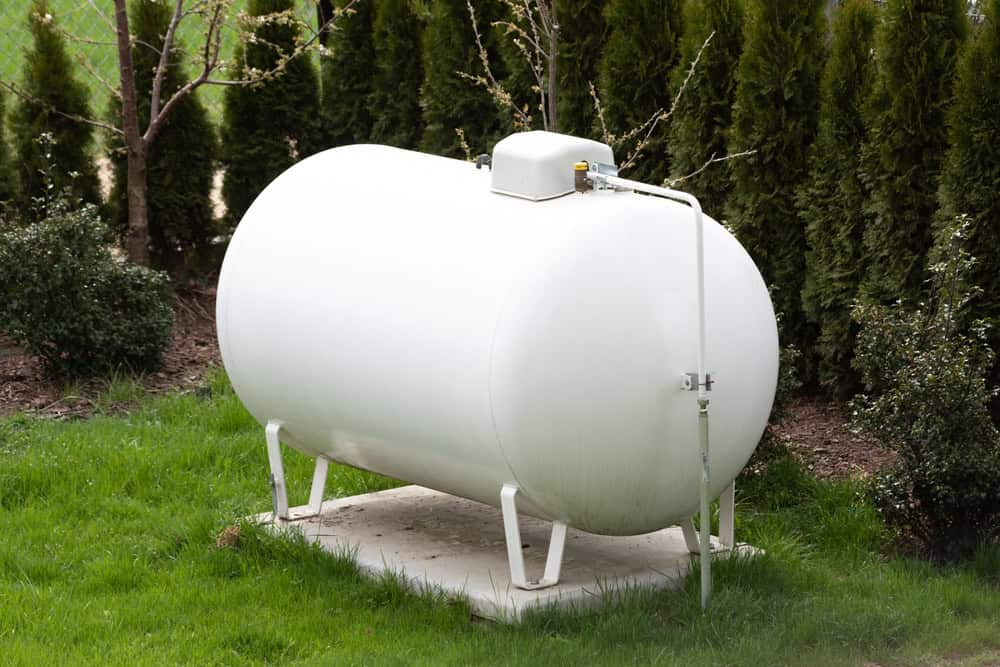
A 100-gallon tank (holding 80 gallons when filled) works for small homes using propane for just one or two appliances. Think a water heater and a stove, or supplemental heat in a modest space. These tanks sit above ground, usually right next to your house since they don’t require the same setback distance as larger units.
You’ll see 100-gallon tanks in mobile homes, small cottages, or properties where propane is a backup rather than the primary fuel source. The downside is refill frequency. If you’re using propane regularly, you could be scheduling deliveries every few months, especially during winter.
The 250-gallon option (200 gallons usable) gives you more breathing room. This size handles moderate propane use—a clothes dryer, fireplace, stove, and heating for a smaller home. It’s a middle ground that reduces how often you need propane deliveries without the footprint or cost of a 500-gallon unit.
Installation for these smaller tanks runs $600 to $1,200 for above-ground setups. They’re faster to install, easier to relocate if needed, and don’t require excavation. For Suffolk County homeowners with limited propane needs or tighter budgets, these sizes offer a practical starting point without overcommitting to capacity you won’t use.
One thing to watch: if your usage creeps up—you add a propane fireplace or switch your water heater—a 100 or 250-gallon tank can quickly become inadequate. You’ll either deal with frequent refills or face the cost of upgrading to a larger tank down the road.
500 Gallon Propane Tanks for Standard Residential Heating
The 500-gallon tank is the workhorse for most Suffolk County homes. It holds 400 gallons of propane when filled and handles whole-house heating for properties in the 1,500 to 3,500 square foot range, plus multiple appliances running simultaneously.
This size supports your furnace or boiler, water heater, gas range, dryer, and even a fireplace or backup generator without constantly running low. For year-round residents heating with propane as their primary fuel, a 500-gallon tank typically requires refills two to four times per year, depending on winter severity and overall usage.
Suffolk County’s winters make tank size critical. A cold snap in January can drain a tank faster than you’d expect, especially if you’re also running hot water for a larger family, using a propane dryer regularly, and keeping the thermostat at a comfortable level. The 500-gallon capacity gives you buffer room so you’re not scheduling emergency deliveries during peak demand when delivery schedules can stretch longer.
Installation cost for a 500-gallon tank ranges from $1,000 to $2,500, with above-ground installations on the lower end and underground on the higher end. The tank itself measures roughly 10 feet long and 37.5 inches in diameter, so you need adequate yard space if you’re going above-ground. Many Suffolk County homeowners opt for underground installation to preserve their property’s appearance, particularly in the Hamptons and North Fork areas where aesthetics matter.
You can install a 500-gallon tank above or below ground. Above-ground is less expensive and easier to maintain—you can visually check the gauge and spot any issues quickly. Underground keeps the tank out of sight, protects it from temperature swings, and often increases property value. The tradeoff is higher upfront cost and more complex maintenance since you can’t see the tank itself.
If propane is your primary heating source and you’re in a standard-sized home, this is likely where you’ll land. It’s the sweet spot between capacity, refill frequency, and cost for most residential situations in Suffolk County.
Underground Propane Tank Sizes and Installation Considerations
Underground propane tanks range from 500 to 1,500 gallons and sit buried at least 42 inches deep, below the frost line. Only the dome—where the gauge, fill valve, and controls are located—remains visible above ground.
Homeowners choose underground installation for aesthetics, property value, and weather protection. The tank is hidden from view, your landscaping stays intact, and the propane is insulated by the earth, which helps maintain consistent pressure even during Suffolk County’s coldest weeks.
Installation cost runs $1,500 to $5,000 depending on tank size, excavation requirements, and site conditions. You’re paying for the excavation work, special anti-corrosion coating on the tank, permits, soil testing, and the labor to properly set and connect everything. The process takes longer than above-ground installation—typically three to five days instead of one to two.

500 and 1000 Gallon Buried Propane Tank Options
A 500-gallon underground tank is the most common buried option for residential properties. It holds the same 400 gallons of usable propane as its above-ground counterpart but disappears beneath your lawn or landscaping. Installation cost typically runs $1,600 to $2,400, which includes excavation, the tank with corrosion protection, permits, and hookup.
The 1,000-gallon buried propane tank (holding 800 gallons when filled) serves large homes, properties with extensive propane use, or situations where you want maximum capacity with minimal refills. This size works for homes over 3,500 square feet, properties running multiple high-demand appliances, or estates with separate buildings all drawing from one tank.
Installation for a 1,000-gallon underground tank runs $3,100 to $4,500. You’re looking at more excavation, a larger tank with more extensive corrosion protection, potentially more complex permitting, and additional labor. The tank measures roughly 16 feet long, so your property needs adequate space and the right soil conditions for safe installation.
Suffolk County properties near the coast or in areas with high water tables need special attention. Underground tanks can shift or even float if groundwater rises above the propane level in the tank. Proper installation includes anchoring the tank to a concrete pad and ensuring drainage won’t create problems. A qualified installer will assess your property’s specific conditions before recommending underground installation.
Maintenance for underground tanks is more involved than above-ground. You can’t visually inspect the tank body for rust or damage. The anti-corrosion coating and sacrificial anodes need periodic checking and replacement. Annual inspections typically cost $50 to $75 and are necessary to catch issues before they become serious.
The lifespan of a properly installed and maintained underground propane tank is 30 to 40 years, compared to 20 to 30 years for above-ground tanks. That longevity, combined with the aesthetic and property value benefits, makes underground installation worth the higher upfront cost for many Suffolk County homeowners, particularly those in the Hamptons and North Fork where property appearance directly affects value.
Underground Propane Tank Covers and Gauge Access
Even with an underground tank, you need access to the fill valve, gauge, and safety relief valve. These components sit in a dome that remains above ground, typically covered by a green or tan lid that blends with your landscaping.
The dome is usually about 2 feet in diameter and sits a few inches above ground level. Some homeowners landscape around it with low plants or decorative rocks to make it less noticeable. You can’t completely hide it—delivery drivers need clear access to fill the tank, and you need to be able to check your gauge.
Underground propane tank gauges work the same as above-ground gauges, showing you the percentage of propane remaining. The difference is you’re reading it from the dome rather than directly on the tank. Most gauges are simple dial or float-style indicators showing 10%, 30%, 50%, 80%, etc.
Keeping the area around your underground tank dome clear matters for safety and access. Snow, ice, leaves, or overgrown landscaping can block access when you need a delivery or if there’s ever an issue requiring quick access to shut-off valves. During Suffolk County winters, make sure the dome stays cleared of snow so delivery drivers can reach it and you can monitor your fuel level.
Some newer installations include remote monitoring systems that alert you when propane levels drop below a certain point. This takes the guesswork out of checking your gauge and helps you schedule deliveries before you run low, which is especially useful with underground tanks where the gauge isn’t in plain sight every time you walk by.
The dome and all above-ground components need the same maintenance as any propane system—checking for leaks, ensuring valves work properly, and keeping connections tight. The fact that the tank itself is underground doesn’t eliminate maintenance; it just shifts where and how that maintenance happens.
Choosing the Right LP Tank Size for Your Suffolk County Property
The right propane tank size comes down to your actual usage, property constraints, and whether you want above-ground or underground installation. A 500-gallon tank handles most residential needs. Smaller homes or limited use can work with 100 to 250 gallons. Large properties or high usage justify 1,000 gallons.
Don’t guess on sizing. An undersized tank means frequent refills and potential run-outs during winter. An oversized tank wastes money on capacity you’ll never use. Factor in your home’s square footage, how many appliances run on propane, whether you heat year-round or seasonally, and Suffolk County’s climate demands.
Installation costs, permits, and ongoing maintenance all vary by tank size and type. Above-ground is less expensive upfront and easier to maintain. Underground costs more initially but offers aesthetic and longevity benefits. Both work reliably when properly sized and installed.
We’ve been sizing and installing propane tanks across Suffolk County since 2010. If you’re trying to determine the right tank size for your property, a free consultation can give you personalized recommendations based on your specific situation—not generic estimates.